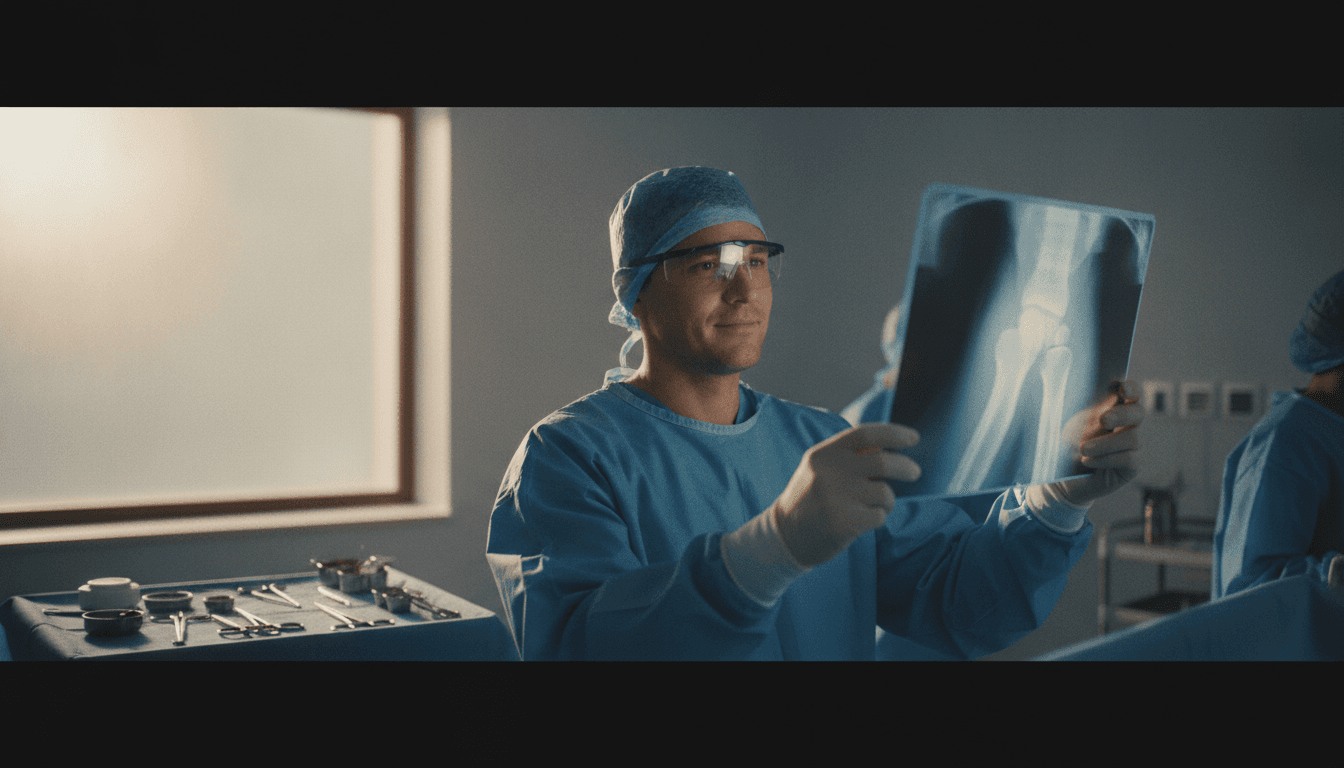
You're not imagining it. The 2 p.m. crash that didn't used to happen. Workouts that don't seem to do much anymore. The fact that you'd rather take a nap than take your wife out. Most guys don't walk into our clinic worried about a number on a lab report. They walk in because something feels off, and they've already tried the obvious stuff (better sleep, less alcohol, more cardio) and the needle hasn't moved.
TRT comes up a lot in those conversations, surrounded by a mix of locker-room bravado and honest fear. Some guys think it's a fountain of youth. Others have heard it'll wreck their heart or their prostate. The truth, as usual, sits somewhere quieter in the middle.
What follows is the version of the TRT talk I'd give you across the desk at Nomi Beach Health: what it is, who actually benefits, what the labs need to show, what year one looks like, and which risks deserve respect versus which ones are mostly internet myth.
What is TRT and how does it work
Testosterone is the main male sex hormone, made mostly in the testes after a green light from the pituitary (LH and FSH). It drives libido, erections, muscle, bone density, red cell production, mood, and energy. When the testes can't keep up, or the brain stops sending the signal, you end up clinically hypogonadal [1][8].
TRT replaces the hormone. It doesn't "boost" your own production. Quite the opposite: it tells your brain to stop sending LH and FSH because the body senses plenty already on board. That's a feature, not a bug, but it has real implications (more on fertility below).
There are several FDA-approved delivery methods, and each has trade-offs:
Intramuscular and subcutaneous injections
Testosterone cypionate or enanthate, dosed weekly or every other week, is the most common form in the US. Cheapest, most predictable, easiest to titrate by lab values. A lot of guys now use smaller subcutaneous doses twice a week, which smooths out the peaks and valleys older protocols produced [1][2].
Topical gels
AndroGel, Testim, and Fortesta deliver testosterone through the skin once a day. Steady levels, no needles, but the handling matters: skin-to-skin contact can transfer the hormone to a partner or a kid, which is why the FDA requires a boxed warning [3].
Pellets
Subcutaneous pellets (Testopel) get implanted under the skin every 3 to 6 months. Convenient and steady. The downside: the dose is essentially fixed once placed, so titration is harder, and removal is a minor procedure if something goes sideways.
Oral, buccal, and nasal
Older oral testosterone was liver-toxic and largely got dropped. Newer oral testosterone undecanoate (Jatenzo, Tlando, Kyzatrex) and buccal patches (Striant) sidestep the liver issue but cost more and need multiple daily doses [3]. Nasal gel (Natesto) is dosed three times a day, and because of its short half-life, it's one of the few options that might preserve fertility.
Who is a candidate
Not every guy with low energy needs TRT. Both the Endocrine Society and the American Urological Association recommend a strict two-step diagnosis: consistent symptoms plus unequivocally low morning total testosterone, confirmed on a second draw [1][2].
Thresholds matter here. Total testosterone below 300 ng/dL, drawn between 7 and 10 a.m. on two separate days, is the AUA's working cutoff for testosterone deficiency [2]. The Endocrine Society uses a slightly lower bar of about 264 ng/dL, with the caveat that reference ranges vary between labs [1]. One number on one day, especially one drawn at 3 p.m. when testosterone naturally dips, is not a diagnosis.
Symptoms that line up with biochemical low T include:
- Low libido and missing morning erections
- Fatigue that sleep and a lighter week don't fix
- Loss of muscle and more belly fat
- Depressed mood, irritability, or brain fog
- Reduced bone density on DEXA
- Hot flashes, in more severe cases
If your total T comes back borderline, your provider should run free testosterone, SHBG, LH, FSH, prolactin, and estradiol to figure out what's actually going on. Low total T with high LH means primary hypogonadism (the testes are the problem). Low T with low or normal LH points to secondary hypogonadism (the brain is the problem), which can sometimes be reversed without lifelong TRT [1][8].
What to expect from treatment
Realistic expectations are half the battle. The literature on symptom response over time shows a fairly consistent pattern [1][5]:
Weeks 3 to 6. Libido and morning erections usually come back first. Mood and mental sharpness often follow in the same window. Most guys describe it as "feeling like myself again," not as feeling supercharged.
Weeks 6 to 12. Energy stabilizes. Sleep tends to get better. Erectile function keeps recovering, though guys with vascular disease or significant ED may still need adjunct treatment.
Months 3 to 6. Body composition starts to shift. Lean mass goes up, fat mass comes down, and your response to lifting noticeably improves. Hematocrit (red cell volume) climbs. This is when we repeat most monitoring labs.
Months 6 to 12. Bone mineral density gains start to show on DEXA. Insulin sensitivity often improves. For guys who started with metabolic syndrome features, waist circumference and HbA1c can move in the right direction [5].
What TRT will not do: out-train a bad diet, fix marital problems, replace sleep, or turn a 55-year-old into a 25-year-old. The Testosterone Trials, a coordinated set of NEJM-published RCTs in men 65 and older, showed real but modest improvements in sexual function, walking distance, mood, and anemia, with no dramatic shift in vitality scores [5].
Risks and side effects
Honest counseling matters most here. The most consistent, real risks are these:
Erythrocytosis (high hematocrit)
Testosterone ramps up red blood cell production. About 6 to 25 percent of men on TRT develop hematocrit above 52 percent, which thickens the blood and theoretically raises stroke and clot risk [10]. We monitor at 3 months, 6 months, and yearly after that. If hematocrit climbs above 54 percent, options include lowering the dose, switching to a more frequent low-dose protocol, or therapeutic phlebotomy.
Fertility suppression
This one trips up a lot of younger guys. Exogenous testosterone shuts down LH and FSH, so the testes stop producing sperm. Counts can drop to zero within a few months. Recovery after stopping is usually possible but can take 6 to 24 months and isn't guaranteed [1]. If you want kids now or maybe later, talk to your provider about clomiphene, enclomiphene, hCG, or banking sperm before you start.
Prostate considerations
For decades, the assumption was that testosterone fueled prostate cancer. Modern evidence is more nuanced. The "saturation model" suggests prostate tissue is already saturated at low-normal testosterone levels, and adding more doesn't dramatically increase growth signaling [6]. Multiple studies, including biopsy data, have found no significant increase in prostate cancer incidence on TRT [1][6]. Still, guidelines call for baseline PSA and digital rectal exam in men 40 and older, and repeat PSA at 3 to 12 months [1][2]. A confirmed rise of more than 1.4 ng/mL in any one year warrants a urology referral.
Cardiovascular risk
The most-debated topic in men's health. A handful of older observational studies suggested heart attack and stroke risks, which prompted an FDA labeling change in 2015 [3]. The picture cleared up considerably with the TRAVERSE trial in NEJM in 2023: a randomized, placebo-controlled study of more than 5,200 men with hypogonadism and existing cardiovascular risk found no increase in major adverse cardiac events with TRT [4]. There were small increases in atrial fibrillation, pulmonary embolism, and acute kidney injury that warrant attention. Bottom line: TRT doesn't appear to cause heart attacks in men who actually need it, but it isn't a free pass either.
Other things to watch
Acne, oily skin, and mild scalp hair thinning can happen. Estradiol can climb (testosterone aromatizes to estrogen), occasionally causing breast tenderness or gynecomastia. We usually manage that by lowering the dose before reaching for an aromatase inhibitor. Sleep apnea can get worse, so men with untreated OSA need that addressed first [1][7].
Monitoring and follow-up
This isn't set-and-forget medicine. A reasonable schedule looks like:
- Baseline: Total and free T (two morning draws), LH, FSH, prolactin, estradiol, SHBG, CBC, CMP, lipid panel, PSA (if 40+), HbA1c
- 3 months: Total T (timed correctly relative to your last dose), hematocrit, PSA, estradiol, symptom check
- 6 months: Same panel plus lipid panel
- 12 months and yearly thereafter: Full panel, DEXA if indicated, repeat sleep evaluation if symptomatic
We aim for the mid-normal range, roughly 450 to 700 ng/dL for most labs, not the top of the range and definitely not supratherapeutic [1]. Higher isn't better. It's just higher risk.
Common myths
"TRT causes prostate cancer." Current evidence doesn't support that. Long-term follow-up and biopsy studies haven't shown increased incidence in men on properly monitored TRT [1][6]. Men with active, untreated prostate cancer are still excluded.
"TRT is just steroids in a doctor's coat." Bodybuilder-style anabolic abuse uses doses 5 to 20 times higher than physiologic replacement. Replacing what your body should already be making is not the same as supraphysiologic stacking.
"You can't stop once you start." You can. Levels return to your previous baseline, which means symptoms typically return, but TRT doesn't create permanent dependence. Recovery of natural production after long-term use can be slow, and some men benefit from a restart protocol with hCG and clomiphene if they decide to come off.
"It causes heart attacks." TRAVERSE largely settled the major-event question. Atrial fibrillation and clot risk are real but manageable signals, not contraindications for most men [4].
"You need it as soon as testosterone drops with age." Age-related decline of about 1 percent per year is normal. Treatment is for guys with both low numbers and clear symptoms, not for chasing a 25-year-old's lab values at 55 [1][7].
How TRT works at Nomi Beach Health
We treat TRT the way it should be treated: as endocrinology, not a subscription product. That means a real intake, two morning lab draws to confirm the diagnosis, and a workup that separates primary from secondary hypogonadism before anyone writes a prescription.
Our providers are board-certified, and care happens through a mix of in-person visits at our North Miami Beach, Florida office and telehealth across the states our team is licensed in. If you want injections, we'll teach you to do them safely at home. If gels, pellets, or fertility-preserving alternatives like enclomiphene fit your situation better, those are on the table too. Monitoring is built into the plan, not bolted on.
We also won't put you on TRT if you don't need it. If your symptoms point to sleep apnea, a thyroid issue, depression, or a medication side effect, we'd rather find that.
Closing nudge to consult
If you're reading this because something has felt off for a while, a real conversation and a proper morning lab draw will tell you more than any online quiz. TRT is a powerful tool when it's the right one, and a waste of your money when it isn't. Either answer is useful.
Book a consult, get the labs, and let's figure out what's actually going on.
Frequently Asked Questions
- How long until I feel results from TRT?
- Most men notice improved mood, energy, and libido within 3 to 6 weeks. Strength, body composition, and erectile changes typically continue developing over 3 to 6 months, with bone density gains taking a year or more.
- What blood work do I need before starting TRT?
- At minimum: two morning total testosterone levels, free testosterone, LH, FSH, prolactin, estradiol, SHBG, CBC, CMP, lipid panel, PSA (if 40+), and a baseline hematocrit. Guidelines from the Endocrine Society and AUA require confirmed low T on two separate morning draws before treatment.
- Does insurance cover TRT?
- Many insurers cover TRT when total testosterone is documented below roughly 300 ng/dL on two morning labs along with symptoms. Coverage varies by carrier and plan, and gels, pellets, and brand-name injectables are sometimes denied while generic injectable testosterone cypionate is usually approved.
- Will TRT make me infertile?
- Exogenous testosterone suppresses your body's natural production of LH and FSH, which can shrink sperm output and cause infertility while you're on it. If fertility matters now or later, talk to your provider about alternatives like clomiphene or enclomiphene, or adjuncts like hCG.
- Can I do TRT through telehealth?
- Yes, in most states. You'll still need a local lab draw, ID verification, and ongoing monitoring labs. Controlled substance regulations vary by state, so eligibility depends on where you live and your provider's licensure.
- How much does TRT cost out of pocket?
- Generic injectable testosterone cypionate is usually the most affordable option, often $30 to $80 per month plus visit and lab fees. Pellets, brand-name gels, and nasal formulations run higher. We can discuss specific pricing during your consult.
Sources
- Bhasin S, et al. Testosterone Therapy in Men With Hypogonadism: An Endocrine Society Clinical Practice Guideline. J Clin Endocrinol Metab (2018)
- Mulhall JP, et al. Evaluation and Management of Testosterone Deficiency: AUA Guideline (2018, amended 2024)
- FDA Drug Safety Communication: Testosterone products labeling on cardiovascular risk and abuse (2015, updated 2018)
- Lincoff AM, et al. Cardiovascular Safety of Testosterone-Replacement Therapy (TRAVERSE trial). N Engl J Med (2023)
- Snyder PJ, et al. Effects of Testosterone Treatment in Older Men (Testosterone Trials). N Engl J Med (2016)
- Marks LS, et al. Effect of Testosterone Replacement Therapy on Prostate Tissue in Men with Late-Onset Hypogonadism. JAMA (2006)
- Mayo Clinic: Testosterone therapy -- Potential benefits and risks as you age
- Cleveland Clinic: Low Testosterone (Male Hypogonadism) -- Symptoms, Causes, Treatments
- MedlinePlus (NIH): Testosterone Levels Test
- Ohlander SJ, et al. Erythrocytosis Following Testosterone Therapy. Sex Med Rev (2018)
Treatments related to this article
Ready to talk through this with a provider? Start with one of these services.