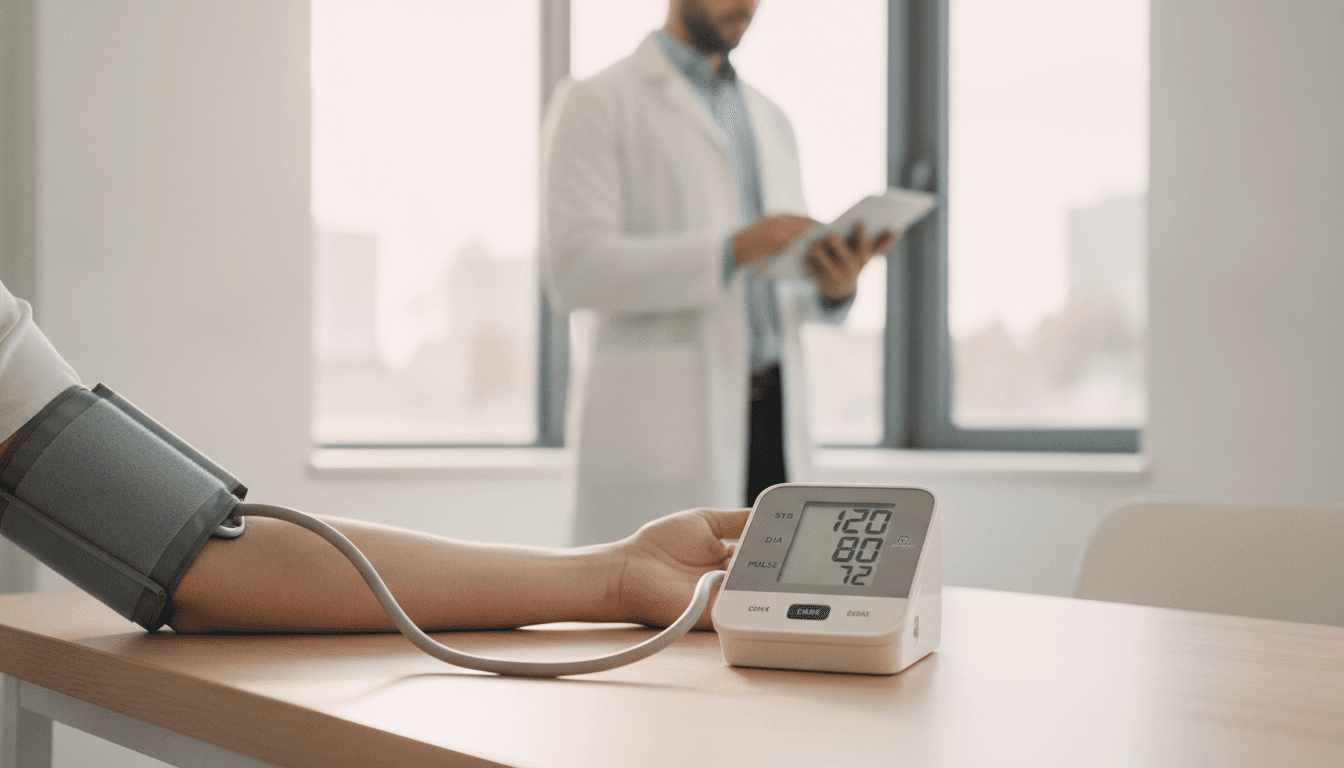
Carla came in for what she called a "quick form-fill" before a half-marathon, healthy 38-year-old, runs four times a week, no medications, no family history she knew about. Her in-office blood pressure read 148/94. She laughed and said, "white coat." We sent her home with a validated cuff and a one-page log. Two weeks later, her morning average sat at 144/92. Her evening average sat at 138/88. Her labs came back with a slightly elevated creatinine and microalbuminuria. She was not having white coat hypertension. She was having early kidney consequences of stage 2 hypertension at 38.
That story is more common than most people think. Almost half of U.S. adults have hypertension, and about 41% of those are not aware [5]. Hypertension is still the single largest modifiable risk factor for stroke, heart attack, heart failure, kidney disease, and dementia worldwide.
The good news in 2026: we have better diagnostic tools, an updated 2025 AHA/ACC guideline that reflects a decade of new data, and a broader treatment toolbox than the one most people remember from a decade ago [1][6]. Here is how we approach hypertension at NoMi Beach Health, what is changed, and what to expect when you start treatment.
What hypertension actually is in 2026
Blood pressure is the force your blood applies against artery walls as your heart pumps. The top number (systolic) is pressure during a heartbeat. The bottom number (diastolic) is pressure between beats. Either, persistently elevated, damages arteries, the brain, the heart, and the kidneys.
Under the 2025 AHA/ACC guideline, the categories are [1]:
- Normal: below 120/80
- Elevated: 120 to 129 systolic with diastolic under 80
- Stage 1 hypertension: 130 to 139 systolic or 80 to 89 diastolic
- Stage 2 hypertension: 140/90 or higher
- Hypertensive urgency / emergency: 180/120 or higher (immediate evaluation, especially with symptoms)
A diagnosis is not made on a single in-office reading. The current standard is to confirm elevated readings using either home blood pressure monitoring (the gold standard for most patients) or 24-hour ambulatory monitoring, both because of white coat effect (artificially elevated in clinic) and masked hypertension (normal in clinic, high outside) [1][7].
Why hypertension matters even when you feel nothing
Hypertension is famously asymptomatic. You will not feel 142/92. You will, eventually, feel its consequences: a stroke at 58, an MI at 62, heart failure at 68, dialysis at 74. The risk is dose-related and time-related, meaning every year of uncontrolled BP adds to lifetime damage.
The SPRINT trial, run in adults at increased cardiovascular risk, showed that targeting a systolic BP below 120 (intensive) versus below 140 (standard) reduced major cardiovascular events by roughly 25% and all-cause mortality by roughly 27% [2][3]. The follow-up data confirmed those benefits persisted long after randomization. That trial reshaped how aggressively guidelines now push BP targets, especially for higher-risk patients.
Who is at risk and who needs to be tested
Per USPSTF, every adult should have BP screened, with annual checks for adults 40 and older or anyone with risk factors [7]. Risk factors include:
- Family history of hypertension or early heart disease
- Black race (Black adults in the U.S. have meaningfully higher prevalence and earlier onset)
- BMI above 25, especially with central adiposity
- High sodium intake, low potassium intake
- More than 1 to 2 alcoholic drinks per day
- Tobacco use, including vaping nicotine
- Sedentary lifestyle
- Chronic poor sleep, untreated obstructive sleep apnea
- Chronic stress and unmanaged anxiety
- Chronic kidney disease, diabetes, or thyroid disease
- Some medications (NSAIDs, oral contraceptives, decongestants, SNRIs, certain ADHD stimulants, steroids)
- Pregnancy history of preeclampsia or gestational hypertension
If two or more apply, your hypertension risk is well above population baseline, and an annual home BP review (not just one office cuff) belongs in your routine.
How a real workup is done
When you walk into NoMi Beach Health for a hypertension evaluation, the workup is structured:
- Confirmed BP using home or ambulatory readings, both arms, sitting and standing in some patients
- Resting heart rate and rhythm
- Labs: CBC, comprehensive metabolic panel (sodium, potassium, creatinine, eGFR, glucose), lipid panel, hemoglobin A1c, TSH, urinalysis with urine albumin-to-creatinine ratio
- 12-lead EKG
- Echocardiogram in select patients (left ventricular hypertrophy, suspected heart failure, resistant hypertension)
- Sleep evaluation in patients with obesity, snoring, daytime fatigue, or treatment-resistant hypertension
- Cardiovascular risk score using the new PREVENT equation, the 2025 AHA/ACC replacement for the older Pooled Cohort Equations [1][6]
- A medication, supplement, and substance review (NSAIDs, decongestants, alcohol, energy drinks, stimulants)
This is what an evidence-based starting point looks like. It is not just "your number is high, here is a pill."
What the 2025 AHA/ACC guideline actually changed
The 2025 update is the first major U.S. hypertension guideline since 2017. The big shifts [1][6]:
The PREVENT calculator. Risk stratification now uses PREVENT, which incorporates kidney function, albuminuria, and metabolic markers, and removes race as a biologic risk variable. This is meaningful because race-based prescribing has long been criticized as scientifically unsound, and the new guideline retires it.
Earlier pharmacotherapy in higher-risk adults. For adults with stage 1 hypertension (130 to 139 / 80 to 89), the guideline recommends starting BP-lowering medication when 10-year CVD risk is 7.5% or higher, or when diabetes, chronic kidney disease, or established cardiovascular disease is present.
Stronger emphasis on home and ambulatory BP measurement. Diagnosis off a single in-office reading is no longer acceptable practice.
Renal denervation as an option. For select adults with true resistant hypertension despite three optimized agents, catheter-based renal denervation is now a guideline-supported option [10].
Expanded special-populations sections. Pregnancy, postpartum, chronic kidney disease, neurologic disease, and older adults each get clearer, modernized recommendations.
The headline target for most adults at increased risk is BP under 130/80. Lower targets (closer to 120 systolic) are reasonable in selected high-risk patients per SPRINT data, balanced against tolerability.
Lifestyle: what actually moves the number
Lifestyle is not a footnote. Done seriously, it can lower systolic BP by 10 to 20 points, which can be the difference between needing one drug and needing three. The interventions with the strongest evidence:
The DASH diet. A diet rich in vegetables, fruit, whole grains, low-fat dairy, lean protein, nuts, and legumes lowered systolic BP by an average of 11.4 mmHg in the original NEJM trial, with effects compounding when sodium is also reduced [4]. DASH is not a fad. It is the most consistently studied dietary pattern in cardiology.
Sodium reduction. Most U.S. adults consume 3,400 mg of sodium per day. Cutting to 2,300 mg, and ideally closer to 1,500 mg, drops BP measurably, especially in salt-sensitive individuals. Most of that sodium comes from restaurant food and packaged products, not the salt shaker.
Weight loss. Roughly 1 mmHg drop per kilogram of weight lost is a useful rule of thumb. For an overweight patient, a 10 to 15 lb loss often shifts BP from "needs medication" to "lifestyle is enough."
Aerobic exercise. 150 minutes per week of moderate cardio, or 75 minutes of vigorous, lowers systolic BP roughly 5 to 8 mmHg. Resistance training adds modest extra benefit.
Alcohol moderation. Cutting from 3+ drinks per day to 1 or fewer can drop systolic BP by 4 mmHg or more.
Sleep. Treating obstructive sleep apnea with CPAP often lowers BP, especially in resistant cases. Short sleep (under 6 hours) and shift work both raise BP.
Stress and mental health. Chronic anxiety and untreated depression elevate sympathetic tone and BP. Therapy, mindfulness, and pharmacologic treatment when appropriate matter physiologically, not just emotionally.
We typically run a 90-day lifestyle phase for stage 1 patients without high CVD risk before reaching for medication, with weekly home BP logs and follow-up at 4 weeks. For higher-risk patients, lifestyle starts on day one alongside medication, not instead of it.
First-line medications: what we use and why
Four classes have the strongest evidence as first-line agents for most adults [1][8]:
Thiazide-type diuretics. Chlorthalidone or indapamide, ideally over older hydrochlorothiazide, which has weaker outcome data. Cheap, effective, and proven to reduce events. Watch potassium, sodium, and uric acid.
ACE inhibitors. Lisinopril, benazepril, ramipril. Especially favored in diabetes, kidney disease, or heart failure. Cough is the most common side effect; switch to an ARB if persistent. Avoid in pregnancy.
Angiotensin receptor blockers (ARBs). Losartan, telmisartan, valsartan, olmesartan. Same indications as ACE inhibitors with fewer side effects. Often our first choice in younger adults.
Dihydropyridine calcium channel blockers. Amlodipine, nifedipine ER. Reliable BP reduction, well tolerated. Watch for ankle edema, especially in higher doses.
For most patients with stage 1 hypertension, a single agent is reasonable. For stage 2 or higher (140/90 or above), starting with two low-dose agents, often a single-pill combination, is more effective than maxing out one drug and is now a guideline-favored approach [1].
Second-line and add-on options
When two well-titrated first-line agents are not enough, the next layer includes:
- Spironolactone or eplerenone (mineralocorticoid receptor antagonists), particularly powerful in resistant hypertension
- Beta blockers (metoprolol succinate, bisoprolol, carvedilol), favored if there is also coronary disease, heart failure, or rate-control needs, but not first-line for hypertension alone
- Loop diuretics in patients with reduced kidney function
- Clonidine, hydralazine, and minoxidil for resistant cases under specialist guidance
- Aliskiren and other agents in select circumstances
Resistant hypertension (BP at or above goal on three optimized drugs including a diuretic) deserves a careful second look: medication adherence, sleep apnea, primary aldosteronism (we screen aldosterone-to-renin ratio), thyroid disease, NSAID use, alcohol intake, illicit stimulants, and renovascular disease.
Renal denervation and newer options
For carefully selected patients with true resistant hypertension despite optimized triple therapy, catheter-based renal denervation, a procedure that quiets the sympathetic nerves around the renal arteries, is now a guideline-supported option [1][10]. Trials including SYMPLICITY HTN-3, SPYRAL HTN, and RADIANCE have refined patient selection. It is not a first-line treatment, but for the right patient it can reduce BP by 5 to 10 mmHg without adding another pill.
Newer pharmacologic options under development include zilebesiran (an siRNA targeting angiotensinogen, dosed every 3 to 6 months) and aldosterone synthase inhibitors, both promising in trials and likely to enter wider use over the next several years.
What to expect month by month
A typical first 90 days at NoMi Beach Health for a patient newly diagnosed with hypertension:
- Week 1: Confirm diagnosis with home BP monitoring (validated upper-arm cuff, twice morning, twice evening, for 7 days). Baseline labs and EKG. Lifestyle plan started.
- Weeks 2 to 4: First medication (or combination) chosen based on labs, age, comorbidities, and tolerability. Telehealth check-in at 2 weeks. Home BP review.
- Week 4 to 6: In-person or telehealth follow-up. Adjust dose or add agent if home averages remain above target. Recheck basic metabolic panel if started on diuretic, ACE, or ARB.
- Week 8 to 12: Most patients are at goal or close. Reinforce lifestyle. Plan annual cadence for monitoring, kidney and metabolic labs, cardiovascular risk reassessment.
If goal is not reached by 12 weeks despite two well-tolerated agents, we re-investigate (medication adherence, sleep, secondary causes) before simply adding a third drug.
What our concierge model changes
Hypertension is a poster-child disease for what concierge primary care is actually for: it requires real time to teach, frequent home data review, careful medication titration, and continuity. Five-minute visits twice a year do not get patients to goal. Sustained engagement does.
At NoMi Beach Health, that looks like longer initial visits, weekly home BP review during titration, telehealth follow-ups every 4 to 12 weeks until you are at goal, in-house labs, and direct messaging access to your provider. The medications and the science are the same as any evidence-based clinic. The difference is bandwidth.
When to seek urgent care
Most hypertension is managed in clinic on a relaxed timeline. But you should seek urgent or emergency care if you have:
- BP at or above 180/120, especially with chest pain, shortness of breath, severe headache, vision changes, weakness, slurred speech, or back/abdominal pain
- New severe headache, especially with neurologic symptoms
- Signs of stroke (face droop, arm weakness, speech difficulty)
- Pregnancy with BP at or above 140/90, headache, vision changes, or upper abdominal pain
These are not "wait for the appointment" situations.
The bottom line
Hypertension in 2026 is a treatable disease, and a well-treated patient can have essentially the same long-term outcomes as someone whose BP was always normal. The keys are accurate diagnosis (home or ambulatory monitoring, not one in-office reading), an honest workup, lifestyle taken seriously, the right drugs at the right doses, and follow-up that does not stop after the first prescription.
If your numbers are creeping up, or if you have been on a stable regimen for years and never had it revisited under modern guidelines, our team at NoMi Beach Health can help. Book a consultation, and we will design a plan around your actual life, not just a generic chart target.
Frequently Asked Questions
- What is considered high blood pressure in 2026?
- Under the 2025 AHA/ACC guideline, normal is under 120/80, elevated is 120 to 129 systolic with under 80 diastolic, stage 1 hypertension is 130 to 139 systolic or 80 to 89 diastolic, and stage 2 is 140/90 or higher. Diagnosis requires confirmed elevated readings, typically using home monitoring or 24-hour ambulatory BP, not a single office reading.
- Do I need medication if my numbers are only borderline high?
- Not always. The 2025 AHA/ACC guideline recommends starting medication at 130/80 or above when 10-year cardiovascular risk is elevated (about 7.5% or higher on the PREVENT calculator), or when you already have diabetes, chronic kidney disease, or known cardiovascular disease. Otherwise, lifestyle change alone for 3 to 6 months is reasonable.
- Which blood pressure medication is best?
- There is no single best drug. First-line classes include thiazide-type diuretics (chlorthalidone, indapamide), ACE inhibitors (lisinopril), ARBs (losartan, telmisartan), and dihydropyridine calcium channel blockers (amlodipine). The right choice depends on age, kidney function, other conditions, and side-effect profile. Many patients ultimately need two medications at low doses, which works better than maxing out one.
- How long does it take for blood pressure to come down?
- Most medications drop BP measurably within 1 to 2 weeks and reach near-full effect by 4 to 6 weeks. Lifestyle changes (sodium reduction, the DASH diet, exercise, weight loss, alcohol moderation) usually start showing on home readings inside 2 to 4 weeks. We typically reassess at 4 weeks and adjust.
- Will I be on blood pressure medication for life?
- Not necessarily. If meaningful weight loss, alcohol reduction, regular cardio, and a DASH-style diet take hold, some patients (especially those with stage 1 hypertension) can step down or off medication under supervision. We typically retest after 6 to 12 months of sustained lifestyle change before adjusting.
- Does insurance cover hypertension care, and can it be done by telehealth?
- Hypertension management is one of the most reliably covered services in primary care, including most labs, EKGs, and follow-up visits. Telehealth works well for medication adjustments and home BP review once a baseline in-person assessment is done. We often pair an initial in-person visit with telehealth follow-ups every 4 to 12 weeks.
Sources
- 2025 AHA/ACC/AANP/AAPA/ABC/ACCP/ACPM/AGS/AMA/ASPC/NMA/PCNA/SGIM Guideline for the Prevention, Detection, Evaluation, and Management of High Blood Pressure in Adults. Hypertension (2025).
- SPRINT Research Group. A Randomized Trial of Intensive versus Standard Blood-Pressure Control. New England Journal of Medicine (2015).
- Lewis CE, et al. Final Report of a Trial of Intensive versus Standard Blood-Pressure Control (SPRINT long-term). New England Journal of Medicine (2021).
- Sacks FM, et al. Effects on Blood Pressure of Reduced Dietary Sodium and the DASH Diet. New England Journal of Medicine (2001).
- Centers for Disease Control and Prevention. Hypertension Prevalence Among Adults Aged 18 and Over, August 2021 to August 2023. NCHS Data Brief No. 511 (2024).
- American College of Cardiology. New in Clinical Guidance: 2025 ACC/AHA High Blood Pressure Guideline.
- U.S. Preventive Services Task Force. Hypertension in Adults: Screening (2021).
- Mayo Clinic. High Blood Pressure (Hypertension): Diagnosis and Treatment.
- Cleveland Clinic. Hypertension: Causes, Symptoms, Diagnosis & Treatment.
- Bhatt DL, et al. A Controlled Trial of Renal Denervation for Resistant Hypertension. New England Journal of Medicine (2014, plus subsequent SPYRAL HTN trials).